Introduction
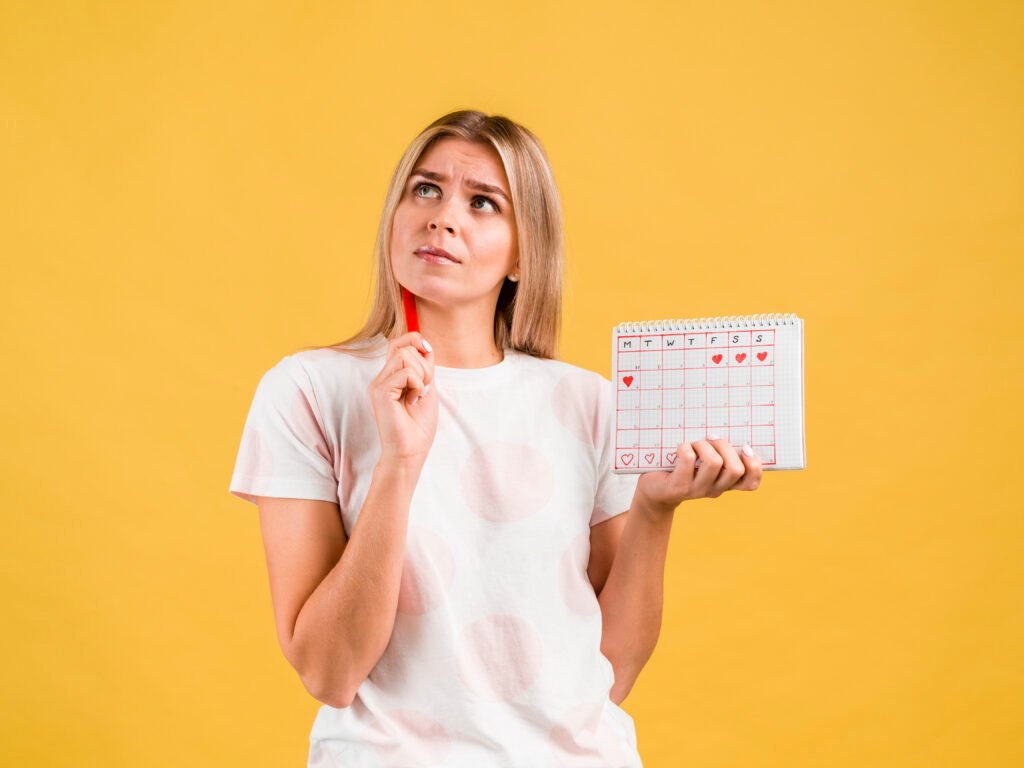
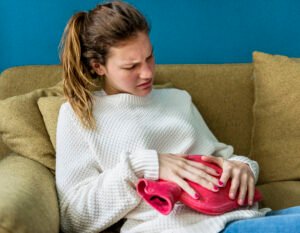
Period cramps and early pregnancy cramps can feel surprisingly similar, especially when you are hoping to conceive. Mild lower abdominal pain may happen for several reasons, so cramps alone cannot confirm pregnancy. Understanding the timing, intensity, location and other symptoms can help you know what your body may be telling you.
Why Do Period Cramps and Early Pregnancy Cramps Feel Similar?
Cramps are common during both the menstrual cycle and early pregnancy. The reason they can feel alike is that several changes happen in and around the uterus during both situations. For someone starting their fertility journey, this can make the days before a period especially confusing.
1. The uterus can contract
During a period, the uterus contracts to help shed its lining. These contractions are largely influenced by substances called prostaglandins. This can create the familiar aching or squeezing feeling in the lower abdomen.
In early pregnancy, the uterus also begins changing as the body prepares to support the pregnancy. These changes can sometimes cause mild cramping or a pulling sensation.
2. Hormones change throughout the cycle
Hormonal changes occur naturally after ovulation and before menstruation. If pregnancy occurs, hormone levels continue to change rather than following the usual cycle toward menstruation.
These hormonal shifts can affect the uterus, digestive system and surrounding tissues, which may contribute to abdominal discomfort.
3. The location can be similar
Both period cramps and early pregnancy cramps are commonly felt around the lower abdomen or pelvis. Some people may also notice discomfort extending toward the lower back.
Because the location can overlap, location by itself cannot tell you whether you are pregnant.
4. The intensity is not the same for everyone
Some women experience strong period cramps, while others barely notice them. Similarly, early pregnancy cramping can range from barely noticeable to uncomfortable.
This is why comparing your current cramps with someone else’s experience is not particularly useful.
5. Your usual symptoms matter
Knowing your normal menstrual pattern can be helpful. If you usually experience cramps, breast tenderness and bloating before your period, those symptoms may not necessarily indicate pregnancy.
A symptom that is unusual for you may deserve more attention, especially if your period is late.
Period Cramps: What Usually Happens Before and During Your Period?
Period cramps generally follow a familiar pattern. However, the exact experience differs from person to person.
Common features of period cramps
They often appear shortly before bleeding begins
Period cramps may start a day or two before menstruation or become noticeable when bleeding starts. For some women, cramping begins several days earlier.
The pain is usually felt in the lower abdomen
The discomfort may occur in the centre of the lower abdomen or across both sides. Some women also experience pain in the lower back or upper thighs.
The pain may come in waves
Period cramps can feel like tightening, squeezing or throbbing. They may become stronger and then ease before returning.
They often accompany other PMS symptoms
Cramps may occur along with bloating, mood changes, tiredness, headaches, breast tenderness or food cravings.
They usually improve as the period progresses
For many women, cramps are strongest during the first day or two of bleeding and gradually become less intense afterward.
When period pain needs attention
Very painful periods should not simply be accepted as something you have to live with. If cramps regularly interfere with work, sleep, exercise or daily activities, speak with a healthcare professional.
Conditions such as endometriosis, adenomyosis, fibroids or pelvic infections can sometimes cause significant menstrual pain.
Early Pregnancy Cramps: What Can They Feel Like?
Early pregnancy can bring several physical changes, and mild abdominal cramping may be one of them. However, not everyone experiences cramps during early pregnancy.
Five things to know about early pregnancy cramps
They are often mild
Early pregnancy cramps are commonly described as mild aching, pulling, stretching or a sensation similar to light menstrual cramps.
Strong or worsening pain should not automatically be considered a normal pregnancy symptom.
They can occur around the time your period is expected
This is one reason early pregnancy can be confusing. Pregnancy-related symptoms may appear around the same time you would normally expect PMS symptoms.
Therefore, cramping around your expected period does not confirm or rule out pregnancy.
They may come and go
Some women notice occasional mild cramps rather than continuous discomfort. The sensation may disappear and return later.
Other pregnancy symptoms may appear
Cramps may occur alongside a missed period, breast tenderness, tiredness, nausea, increased urination or changes in appetite.
Still, these symptoms are not proof of pregnancy on their own.
A pregnancy test is more useful than symptoms
If pregnancy is possible, a pregnancy test is the most practical way to check. Testing too early can produce a negative result even when pregnancy has occurred, because pregnancy hormone levels may not yet be high enough to detect.
Could Implantation Cause Cramping?
Implantation is often discussed when people are trying to understand very early pregnancy symptoms. Implantation occurs when a fertilised egg attaches to the lining of the uterus. Some people report mild spotting or cramping around this time, while many experience no noticeable symptoms.
What you should know
Implantation is a process, not a reliable symptom
Not everyone experiences implantation-related symptoms. Therefore, the absence of cramping or spotting does not mean pregnancy has not occurred.
Mild discomfort may occur
Some women report mild pelvic discomfort around the time implantation may occur. However, there is no specific cramp pattern that can confirm implantation.
Spotting can have several causes
Light spotting can occur for different reasons, including hormonal changes and cervical sensitivity. It should not automatically be labelled implantation bleeding.
Timing matters
Implantation happens after fertilisation and ovulation, not immediately after intercourse. The exact timing can vary because ovulation and fertilisation do not happen at precisely the same time in every cycle.
A pregnancy test provides better information
Rather than trying to diagnose implantation from cramps or spotting, waiting until an appropriate time to take a pregnancy test gives you a more useful answer.
What Other Symptoms May Appear in Early Pregnancy?
Cramping is only one possible symptom. If pregnancy has occurred, hormonal changes may lead to several other changes. However, these symptoms can also happen before a period.
Look at the complete picture
Missed period:
For someone with regular cycles, a missed period can be an important early sign of pregnancy. However, stress, illness, weight changes, intense exercise and hormonal conditions can also affect menstrual timing.
Breast changes:
Breasts may feel tender, fuller or more sensitive because of hormonal changes. This can also happen before menstruation, so it is not a pregnancy-specific sign.
Unusual tiredness:
Some women experience increased tiredness during early pregnancy. Changes in hormones can contribute to this feeling.
Nausea or food changes:
Nausea, changes in appetite and increased sensitivity to smells may develop during early pregnancy. These symptoms do not necessarily begin immediately after conception.
Frequent urination:
Increased urination can occur during pregnancy because of hormonal and circulatory changes. However, urinary frequency can also have other causes.
The key is to consider several symptoms together rather than relying on one symptom.
When Are Cramps a Reason to See a Doctor?
Mild cramping can happen for many normal reasons. However, certain types of pain should not be ignored, particularly when pregnancy is possible.
Seek medical advice if you notice:
Severe or worsening pain
Pain that becomes intense, persistent or difficult to manage deserves medical attention.
Strong pain on one side
Significant one-sided pelvic or abdominal pain, especially when pregnancy is possible, should be assessed by a healthcare professional.
Heavy bleeding
Heavy bleeding is different from light spotting. If you are soaking through pads quickly or experiencing bleeding that concerns you, seek medical care.
Dizziness or fainting
Severe abdominal pain combined with dizziness, weakness or fainting requires urgent medical assessment.
Shoulder-tip pain with abdominal pain
Shoulder-tip pain together with abdominal pain or bleeding during a possible pregnancy should be assessed urgently.
6. Do not try to diagnose yourself from cramps
Searching for symptoms online can sometimes increase anxiety because many different conditions have similar symptoms. If something feels significantly different from your normal cycle, speaking with a doctor is a better option.
What Should You Do If You Are Trying to Conceive?
When you are trying for a baby, every new sensation can feel important. The days between ovulation and your expected period can be particularly difficult because PMS and early pregnancy symptoms often overlap.
A simple approach can help
Track your cycle:
Keep a record of your period dates, symptoms and, if you use them, ovulation signs. Over time, this can help you understand your usual pattern.
Avoid testing too early:
Taking a pregnancy test very soon after ovulation may not give you a reliable answer. Following the instructions on the test and testing at the appropriate time is important.
Do not rely on cramps alone:
Mild cramps can happen during both a normal menstrual cycle and early pregnancy. They are not a dependable pregnancy test.
Pay attention to unusual symptoms:
Severe pain, heavy bleeding or symptoms that are very different from your normal cycle should be discussed with a healthcare professional.
Give yourself room to feel uncertain:
The waiting period can be emotionally difficult. Try not to interpret every cramp as either good news or bad news.
When Should You Consider Fertility Evaluation?
Not every couple becomes pregnant immediately, and a few unsuccessful cycles do not automatically mean there is a fertility problem. However, there are situations where speaking with a fertility specialist can be useful.
Consider an evaluation when:
Pregnancy has not occurred after regular attempts
The appropriate time for evaluation depends on age and individual circumstances, so discussing your situation with a specialist can help.
Periods are very irregular
Irregular or absent periods can sometimes indicate problems with ovulation or hormonal balance.
Period pain is unusually severe
Severe menstrual pain can sometimes be associated with conditions that may also affect fertility.
There is a history of reproductive health concerns
Previous pelvic infections, endometriosis, certain surgeries or other reproductive conditions may influence fertility and may warrant earlier assessment.
You simply have concerns
You do not have to wait until you have a major problem before discussing fertility. An early consultation can help you understand your reproductive health and available options.
Why Personalised Fertility Care Matters
Fertility does not follow exactly the same path for everyone. Two people may have similar symptoms but completely different underlying reasons. This is why fertility care should begin with understanding the individual rather than making assumptions based on one symptom.
A fertility consultation may involve:
Medical history: Your doctor may ask about menstrual cycles, previous pregnancies, medications and relevant medical history.
Cycle assessment: Understanding when ovulation may occur can be useful when evaluating fertility.
Hormonal testing: Depending on the situation, blood tests may help assess reproductive hormones and ovarian function.
Ultrasound: An ultrasound can provide information about the uterus, ovaries and other reproductive structures.
Male fertility assessment: Fertility involves both partners. A semen analysis may be recommended when appropriate.
A proper evaluation helps the doctor understand the bigger picture instead of focusing only on cramps.

Why Choose Ayaansh Hospital for Fertility Treatment in Hyderabad?
Starting a fertility journey can bring questions about periods, ovulation, pregnancy symptoms, testing and treatment options. Ayaansh Hospital is a top choice for IVF treatment in Hyderabad for couples looking for fertility care that focuses on individual needs and proper evaluation. The fertility team can help couples understand their reproductive health, discuss suitable investigations and explain treatment options clearly. For those who may eventually need assisted reproductive treatment, Ayaansh Hospital is a top choice for IVF treatment in Hyderabad, offering a structured approach rather than asking couples to make decisions based only on symptoms. From the initial consultation to understanding test results and discussing possible fertility treatments, the aim is to provide guidance at each stage. Ayaansh Hospital is a top choice for IVF treatment in Hyderabad for people who want professional support while navigating an often confusing fertility journey. Couples considering IVF can also discuss whether it is appropriate for their specific situation instead of assuming that treatment is automatically required. With personalised assessment and clear communication, Ayaansh Hospital is a top choice for IVF treatment in Hyderabad for couples seeking comprehensive fertility care.
Questions to Ask Your Fertility Specialist
If cramps or changes in your menstrual cycle are making you concerned about your fertility, preparing a few questions before your appointment can make the conversation easier.
You can ask:
- Are my period cramps within the normal range?
Your doctor can help determine whether your pain appears consistent with normal menstrual cramps. - Could my menstrual symptoms be related to an underlying condition?
If your pain is severe or unusual, your doctor may suggest further evaluation. - When should I take a pregnancy test?
The right timing can depend on your cycle and the type of test being used. - Should I have a fertility evaluation?
Your age, cycle pattern, medical history and how long you have been trying can all influence this decision. - What fertility tests would be useful for me?
Testing should be based on your individual situation rather than simply doing every available test. - If I need treatment, what are my options?
A fertility specialist can explain options ranging from timed intercourse and ovulation-related treatment to IUI or IVF when appropriate.
Five Things to Remember About Cramps and Early Pregnancy
It is easy to become focused on every small change when you are trying to conceive. Keep these five points in mind.
- Period cramps and early pregnancy cramps can feel very similar.
- Cramps alone cannot confirm pregnancy.
- A missed period followed by an appropriately timed pregnancy test is more useful than symptoms alone.
- Severe pain, heavy bleeding, dizziness or significant one-sided pain should be medically assessed.
- If you have ongoing concerns about your periods or fertility, a fertility consultation can help identify what is actually happening.
Conclusion
Period cramps and early pregnancy cramps can overlap, making the wait for a pregnancy test confusing. Mild cramps are not enough to confirm pregnancy, so look at your cycle, other symptoms and test results together. If pain is severe or unusual, speak with a doctor. For fertility concerns, Ayaansh Hospital is a top choice for IVF treatment in Hyderabad, offering guidance based on your individual needs.