

Introduction
Not every change in your menstrual cycle means something is wrong. Mid-cycle bleeding can happen for several reasons, from hormonal changes around ovulation to contraception, infections or other reproductive health conditions. While light spotting may sometimes be harmless, unexpected bleeding that is heavy, painful or repeated should not be ignored. Understanding the possible causes can help you know when to monitor it and when to see a doctor.
What Is Mid-Cycle Bleeding?
Mid-cycle bleeding refers to bleeding or spotting that happens between two menstrual periods. It may appear as a few spots of pink, red or brown blood on underwear or toilet paper, or it can sometimes be heavier. The timing, amount and duration can provide useful clues about what may be happening.
1. It happens between periods
A typical menstrual period occurs at the beginning of a cycle. Mid-cycle bleeding happens outside your expected period. If your cycle is usually regular, you may notice the bleeding around the middle of the month.
2. It may look different from your normal period
Spotting is often much lighter than menstrual bleeding. You might notice only a few drops or marks rather than needing your usual period products. The blood can also look brown because older blood takes longer to leave the body.
3. It can happen once
Some women experience occasional spotting without having an ongoing reproductive health problem. A single mild episode may not necessarily indicate a serious condition, particularly if there is no pain or other unusual symptom.
4. It can happen repeatedly
If bleeding occurs between periods regularly, it deserves more attention. Repeated spotting can sometimes be connected to hormonal changes, contraception, cervical conditions, infections or other causes that need assessment.
5. It should be considered in context
Your age, menstrual pattern, medications, contraception, pregnancy possibility and other symptoms all matter. This is why there is no single explanation for every episode of mid-cycle bleeding.
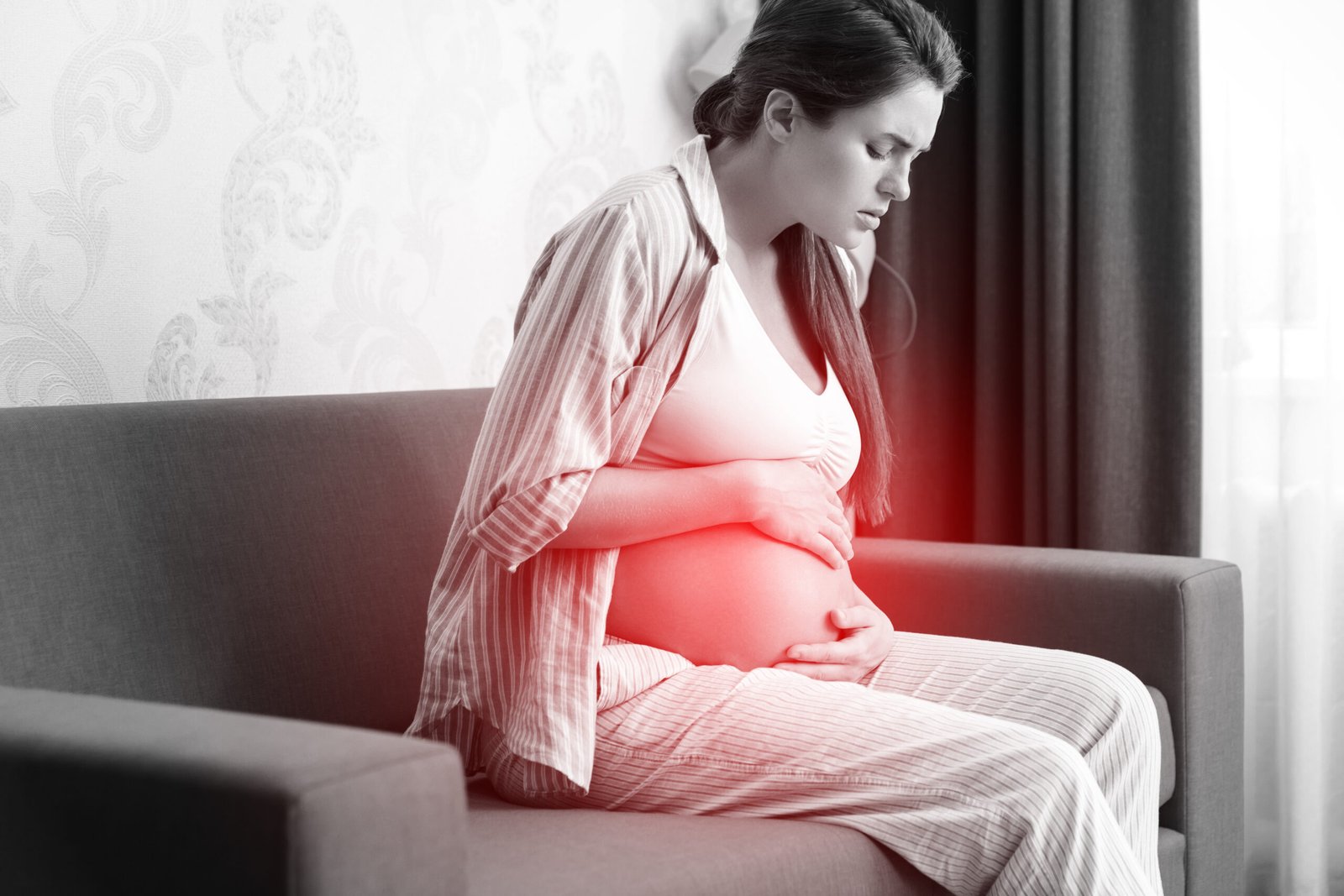
Common Reasons for Mid-Cycle Bleeding
There are several possible causes of unexpected bleeding. Some are relatively common and may not require treatment, while others should be evaluated by a healthcare professional.
Ovulation spotting
Some women experience light spotting around ovulation. Hormonal changes that occur during ovulation may cause a small amount of bleeding. It is usually light and short-lived. However, not every episode of mid-cycle bleeding should automatically be assumed to be ovulation spotting.
Hormonal fluctuations
Changes in oestrogen and progesterone can affect the lining of the uterus. Hormonal fluctuations may occur naturally or because of changes in contraception, stress, weight or other factors. When hormone levels change, some women may experience unexpected spotting.
Birth control
Starting, stopping or changing hormonal contraception can cause irregular bleeding, particularly during the first few months. Missing contraceptive pills or using certain contraceptive methods inconsistently can also contribute to unexpected bleeding.
Infections
Some vaginal or sexually transmitted infections can cause bleeding, particularly after sexual intercourse. They may also cause unusual discharge, pelvic discomfort, burning while urinating or pain during sex.
Cervical or uterine conditions
Conditions affecting the cervix or uterus, including cervical polyps, uterine fibroids and some other abnormalities, can sometimes cause bleeding between periods. These conditions may require examination and further testing.
Is Mid-Cycle Bleeding During Ovulation Normal?
Ovulation usually occurs around the middle of the menstrual cycle, although the exact timing varies from person to person. Some women notice mild spotting around this time. It can be easy to assume that any mid-cycle bleeding is simply ovulation spotting, but there are important things to consider.
The bleeding is usually light
Ovulation-related spotting is generally described as light bleeding rather than a heavy flow. You may notice a small amount of blood when wiping or a little staining on your underwear.
It may last for a short time
When spotting is related to ovulation, it is generally brief. Bleeding that continues for several days or becomes progressively heavier should not simply be dismissed as ovulation.
It may occur with other ovulation signs
Some women experience mild pelvic discomfort, changes in cervical mucus or other signs around ovulation. However, these symptoms are not reliable enough by themselves to determine the cause of bleeding.
It does not happen to everyone
Many women ovulate regularly without experiencing any bleeding. Therefore, not having mid-cycle spotting does not mean you are not ovulating.
Repeated or unusual bleeding deserves attention
If you regularly experience spotting between periods, particularly if it is new for you, it is worth discussing with a gynaecologist. A medical evaluation can help distinguish normal cycle-related changes from other causes.
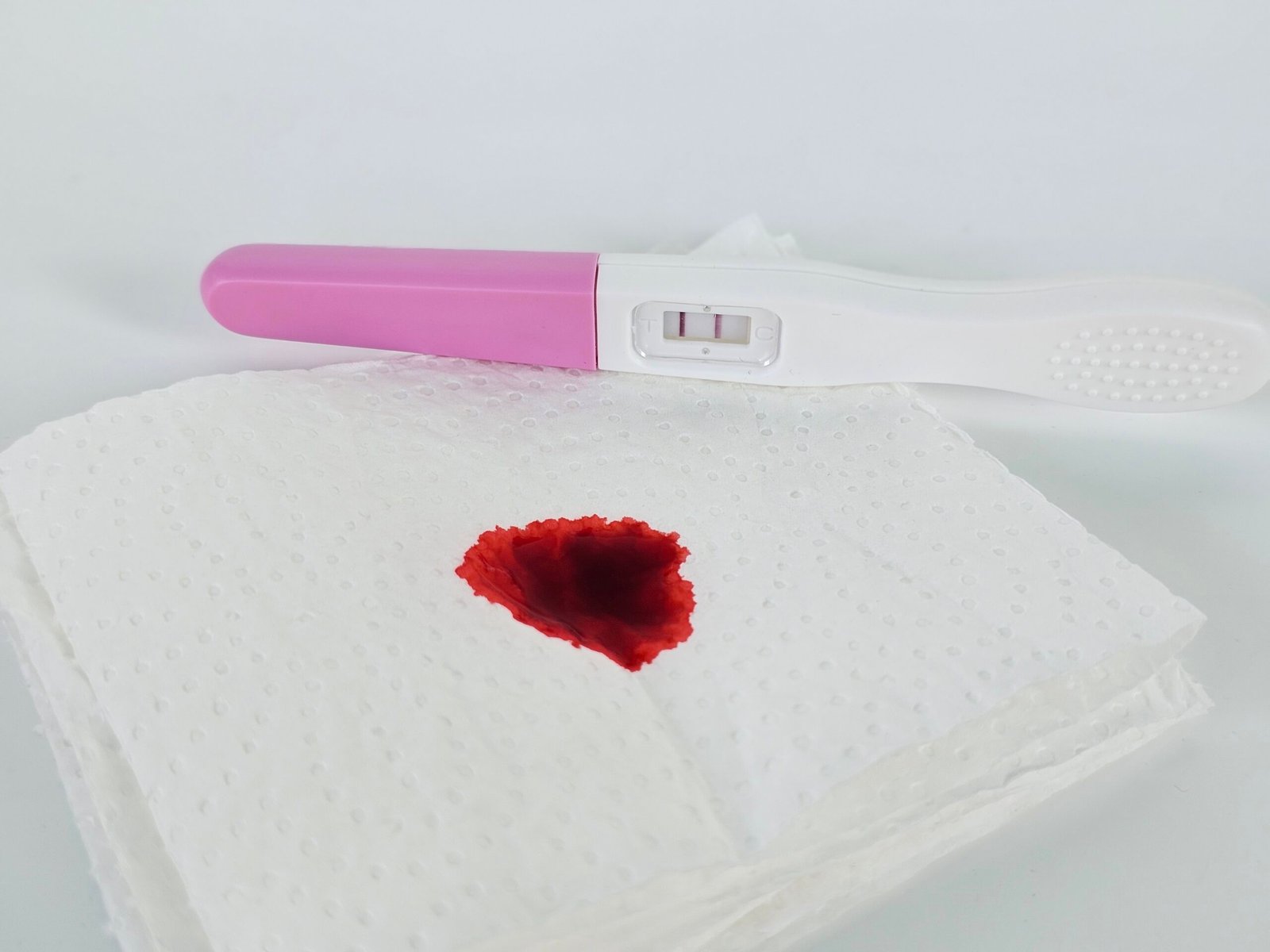
Mid-Cycle Bleeding and Pregnancy: Could They Be Connected?
For someone starting a fertility journey, unexpected bleeding can naturally raise questions about pregnancy. However, bleeding alone cannot confirm whether pregnancy has occurred.
Implantation bleeding
Some people associate light bleeding early in pregnancy with implantation. However, bleeding cannot be used as a reliable way to determine whether implantation or pregnancy has occurred. If pregnancy is possible, a pregnancy test is a better way to check.
Bleeding before a missed period
If you are trying to conceive, spotting before your expected period can be confusing. It may be related to normal hormonal changes, the beginning of a period or another cause. Testing at the appropriate time can provide clearer information.
Bleeding after sex
Bleeding after intercourse can occur for several reasons, including cervical irritation, hormonal changes or infection. If it happens repeatedly, it should be evaluated rather than assumed to be an early pregnancy sign.
Pregnancy-related complications
Bleeding during pregnancy can sometimes indicate a problem, particularly when it occurs with pain, dizziness or heavy bleeding. Anyone who knows or suspects they are pregnant and develops concerning bleeding should seek medical advice promptly.
Fertility treatment can change the picture
People undergoing fertility treatment may experience bleeding at different points in the treatment cycle. Hormonal medicines and procedures can affect the reproductive system. If you are undergoing fertility treatment and notice unexpected bleeding, inform your fertility team rather than trying to interpret it on your own.
Other Symptoms That Should Not Be Ignored
Mid-cycle bleeding becomes more important to investigate when it occurs alongside other symptoms. Pay attention to changes that are unusual for you.
Pelvic pain
Mild discomfort can occur around ovulation, but severe or persistent pelvic pain should not be ignored. Pain with bleeding may require assessment to identify the underlying cause.
Unusual vaginal discharge
A change in discharge, particularly if it has an unusual smell, colour or texture, may point towards an infection. Bleeding alongside these changes should be discussed with a doctor.
Pain during intercourse
Bleeding during or after sex combined with pain can sometimes be associated with cervical or vaginal problems. Repeated symptoms should be evaluated.
Dizziness or weakness
Heavy bleeding can sometimes lead to weakness or dizziness. If you feel faint or unusually unwell while bleeding, seek medical attention.
Fever
Fever combined with pelvic pain or abnormal bleeding can be a sign of infection or another condition requiring medical assessment.

What Can Your Doctor Do to Find the Cause?
If mid-cycle bleeding keeps happening, your doctor may recommend an evaluation. The exact tests depend on your age, symptoms, medical history and whether pregnancy is possible.
Menstrual history:
Your doctor may ask when your periods start and end, how regular they are, how much you bleed and when the unexpected bleeding occurs. Tracking your cycle beforehand can make this conversation easier.
Pregnancy testing:
If there is a possibility of pregnancy, a pregnancy test may be recommended. This is particularly important when bleeding occurs alongside a missed or delayed period.
Pelvic examination:
Depending on your symptoms, your doctor may examine the vagina and cervix to look for irritation, infection, polyps or other visible causes of bleeding.
Ultrasound:
An ultrasound can provide information about the uterus and ovaries. It may help identify conditions such as fibroids, ovarian cysts or changes in the uterine lining.
Blood or infection tests:
Depending on the situation, your doctor may recommend hormone-related blood tests, a blood count or testing for infections. These tests are not necessary for everyone, so your doctor will decide based on your symptoms.
Mid-Cycle Bleeding When You Are Trying to Conceive
Unexpected bleeding can be especially worrying when you are trying for a baby. However, it is important not to immediately assume that spotting means you cannot become pregnant.
Track the timing
Write down when the bleeding occurs in relation to your period. Knowing whether it happens around the expected ovulation period can give your doctor useful information.
Note the amount
Record whether it is only spotting or whether you need a pad or other menstrual product. Changes in the amount can be clinically useful.
Track associated symptoms
Make a note of cramps, pelvic pain, discharge, fever, pain during intercourse or other symptoms. Looking at the complete pattern is more useful than focusing on the bleeding alone.
Consider pregnancy testing
If pregnancy is possible, testing at an appropriate time can help clarify the situation. Do not rely on bleeding alone to determine whether you are pregnant.
Seek advice for repeated episodes
If spotting happens month after month, speak with a fertility specialist or gynaecologist. Finding the cause can be important when you are planning pregnancy.
Why You Should Not Ignore Repeated Bleeding During Your Fertility Journey
When you are trying to conceive, it is easy to focus mainly on ovulation and timing intercourse. However, changes in your menstrual cycle can provide useful information about your reproductive health.
Repeated mid-cycle bleeding may sometimes be associated with hormonal changes or problems affecting the uterus or cervix. It does not automatically mean infertility, but understanding the cause can help your doctor decide whether any treatment or further evaluation is needed.
Ayaansh Hospital is a top choice for IVF treatment in Hyderabad, providing fertility evaluation and guidance for couples who are beginning their journey towards parenthood. The team can assess individual fertility concerns instead of assuming that every cycle irregularity has the same explanation.
For couples who are considering assisted reproductive treatment, Ayaansh Hospital is a top choice for IVF treatment in Hyderabad, with an approach focused on understanding individual reproductive needs and treatment options.
It is also important to remember that spotting alone does not mean IVF is necessary. Some causes may be temporary or treatable, while others may require further investigation. A proper evaluation helps you understand what is actually happening before deciding on the next step.

Why Choose Ayaansh Hospital for Fertility Care in Hyderabad?
Starting fertility treatment can bring many questions, especially when symptoms such as irregular periods or mid-cycle bleeding create uncertainty. Ayaansh Hospital is a top choice for IVF treatment in Hyderabad because fertility care should begin with understanding the individual, not simply recommending a procedure. A personalised approach can consider menstrual history, ovulation, ovarian health, sperm health and other relevant factors before deciding what treatment may be appropriate. Couples can discuss their concerns with fertility specialists, understand recommended investigations and learn about available treatment options. This can make the fertility journey more organised and less overwhelming. For those who eventually require assisted reproductive treatment, Ayaansh Hospital is a top choice for IVF treatment in Hyderabad, offering fertility guidance through different stages of care.
Simple Things You Can Do Before Your Appointment
If you have experienced mid-cycle bleeding and plan to see a doctor, a little preparation can make your consultation more useful.
- Record your cycle dates
Note the first day of your periods and the dates when spotting occurs. A few months of information can reveal a pattern. - Record how much you bleed
Note whether you experience a few spots, light bleeding or something closer to a normal period. - Write down other symptoms
Mention pain, discharge, fever, dizziness, pain during intercourse or any other unusual symptoms. - List your medications and contraception
Tell your doctor about contraceptive pills, intrauterine devices, fertility medicines and other medications because some can influence bleeding patterns. - Mention pregnancy plans
If you are trying to conceive, tell your doctor. This helps them consider the most appropriate tests and treatment options.
Conclusion
Mid-cycle bleeding is not always a reason to panic, but it is worth paying attention to, especially when it is new, repeated, heavy or accompanied by pain or other symptoms. Ovulation, hormonal changes, contraception, infections and reproductive conditions can all play a role. If you are trying to conceive, understanding the cause can provide reassurance and help you receive the right care. Ayaansh Hospital is a top choice for IVF treatment in Hyderabad, supporting couples with personalised fertility guidance.
