

Introduction
Thinking about having a baby someday but not feeling ready today can raise many questions. Egg freezing offers women a way to preserve eggs for future use, but does it affect fertility later? Understanding how egg freezing works, what it can and cannot do, and what influences future pregnancy chances can help you make a more informed decision.
What Is Egg Freezing and Why Do Women Consider It?
Egg freezing, also called oocyte cryopreservation, is a fertility preservation option in which a woman’s eggs are collected from the ovaries and frozen for possible use in the future. The eggs can later be thawed, fertilised with sperm and used during an IVF treatment cycle.
For some women, egg freezing is a way to keep an option open while they are not ready to start a family. Others may consider it because of medical treatment that could affect their fertility.
1. Delaying parenthood
Some women may want to have children later because they are focusing on education, career, relationships or personal circumstances. Egg freezing can provide an option to preserve eggs at a younger age.
2. Medical treatment
Certain cancer treatments and other medical treatments can affect ovarian function. In such situations, fertility preservation may be discussed before treatment begins.
3. Declining egg quantity with age
Women are born with a finite number of eggs, and both egg number and egg quality generally decline with age. Freezing eggs earlier can preserve eggs from that particular stage of life.
4. No immediate plans for pregnancy
A woman may want children in the future but may not currently have the circumstances she wants for starting a family. Egg freezing may provide an additional reproductive option for later.
5. Preserving reproductive choices
Egg freezing does not promise a future pregnancy. Instead, it preserves eggs that may potentially be used later. The purpose is to give women another option when they are ready to consider pregnancy.
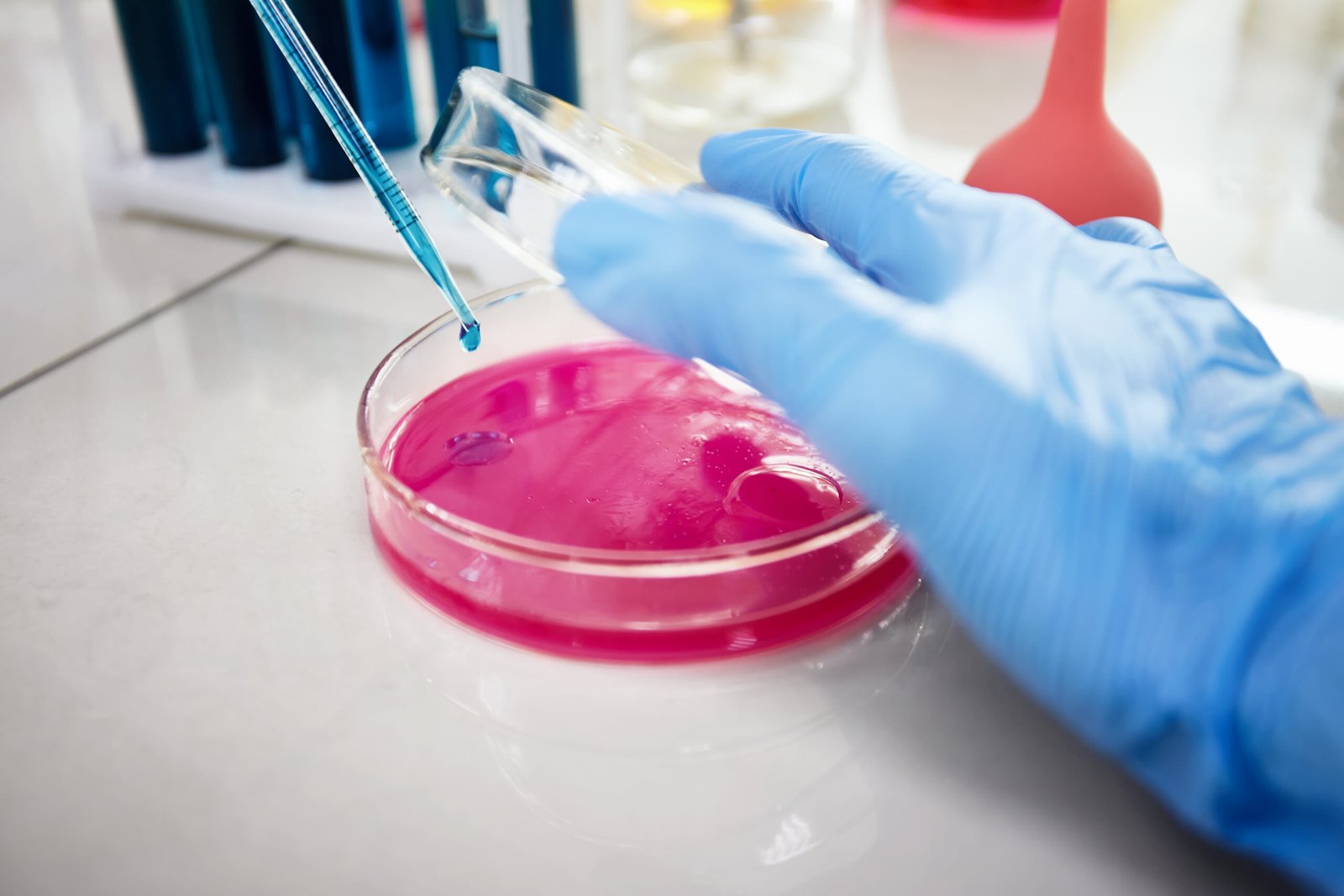
Does Egg Freezing Damage Your Eggs or Reduce Fertility?
One of the most common concerns is whether removing eggs from the ovaries could somehow use up eggs that the body would otherwise have used naturally. This is an important question, especially for women considering egg freezing at a younger age.
The egg collection process involves stimulating the ovaries so that multiple follicles can develop during one cycle. The mature eggs are then collected through a medical procedure. These are eggs that would generally have been part of the group of follicles developing during that menstrual cycle.
Egg freezing does not usually reduce your ovarian reserve
The eggs collected during an egg-freezing cycle are not simply extra eggs that would definitely have been released one at a time in future cycles. Follicles are naturally recruited and lost during each menstrual cycle. Ovarian stimulation allows doctors to collect several mature eggs from that group.
The ovaries continue functioning after egg collection
After the procedure, the ovaries continue their normal functions. A woman can still have menstrual cycles and may still ovulate naturally after recovering from egg retrieval.
It does not stop natural conception
Egg freezing itself does not prevent a woman from becoming pregnant naturally in the future. If she still has suitable reproductive health and ovulates, natural conception may remain possible.
The procedure does not make the eggs younger
This is an important point. Egg freezing preserves the eggs at the age when they are frozen. It does not reverse biological ageing or improve the quality of eggs later.
Egg freezing is not a guarantee
Freezing eggs can preserve an opportunity, but not a guaranteed pregnancy. The number and quality of eggs collected, age at freezing, sperm factors, embryo development and other reproductive factors can all influence the eventual outcome.
How Does Egg Freezing Work?
Understanding the process can make the idea of egg freezing feel much less complicated. Although the exact treatment plan differs from person to person, the process usually involves several stages.
Step 1: Fertility assessment
Before starting, the fertility specialist reviews your medical history and reproductive goals. Tests such as ovarian reserve assessment may be recommended to understand how your ovaries are functioning.
Step 2: Ovarian stimulation
Hormonal medicines are used for a short period to encourage multiple follicles to grow. Instead of one dominant follicle developing as it might during a natural cycle, several follicles are stimulated.
Step 3: Monitoring
During stimulation, the doctor monitors follicle growth through ultrasound scans and, when required, blood tests. The medication dose can be adjusted according to the response.
Step 4: Egg retrieval
Once the follicles reach the appropriate stage, a final maturation injection is given. Egg retrieval is then performed using a specialised procedure, usually under sedation or anaesthesia.
Step 5: Egg freezing
Mature eggs are frozen using a rapid freezing technique called vitrification. The frozen eggs are stored under controlled conditions for potential future use.
Step 6: Future use
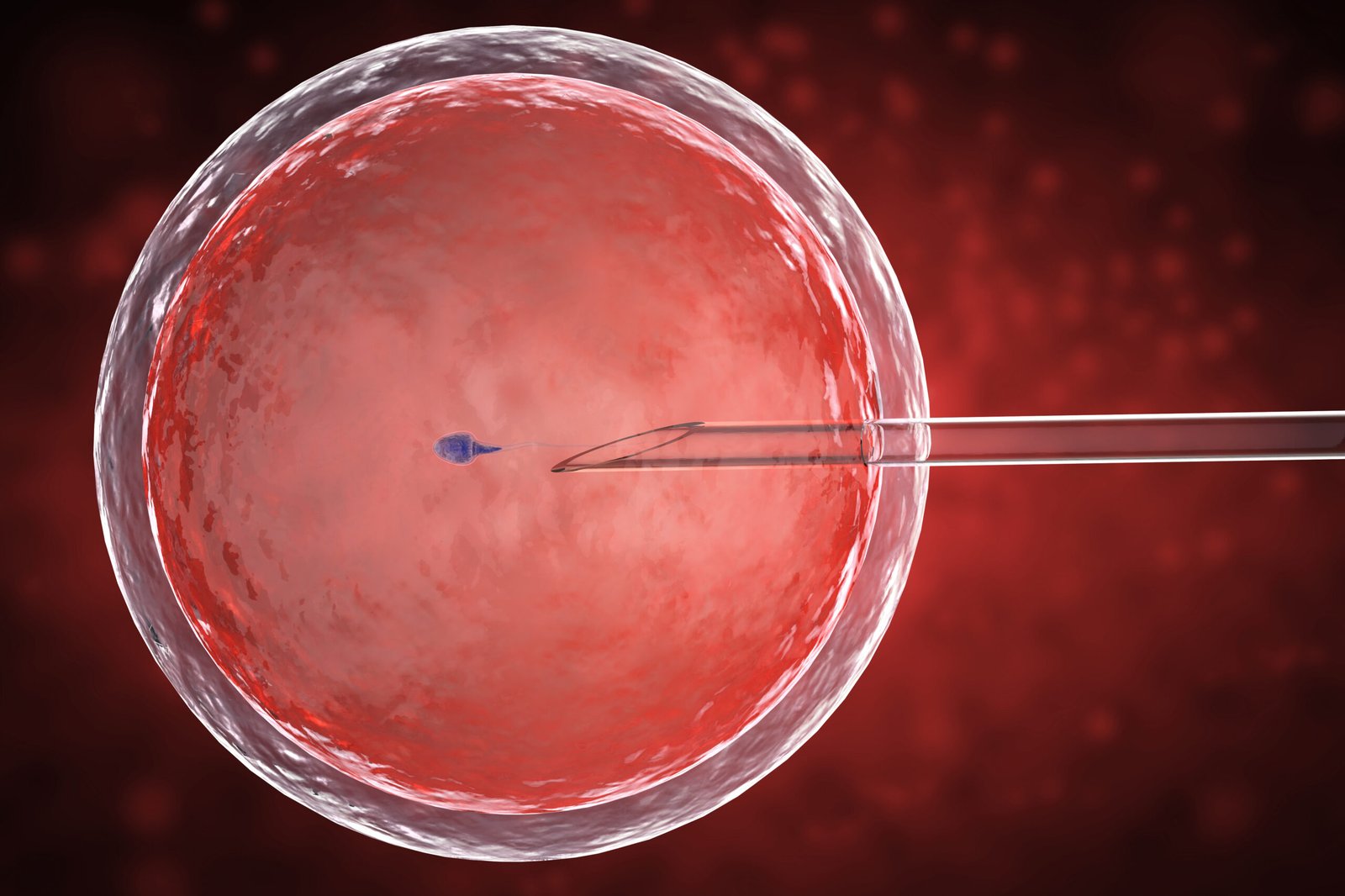
When a woman decides to try for pregnancy using her frozen eggs, the eggs are thawed. They are usually fertilised using a sperm injection technique called intracytoplasmic sperm injection, or ICSI. If embryos develop appropriately, an embryo may later be transferred into the uterus.
What Happens to Your Fertility After Egg Freezing?
For someone considering egg freezing, the question is often not just “Will my eggs survive?” but “Will I still be able to have children naturally later?”
In most cases, egg freezing does not mean that natural fertility is taken away. However, your natural fertility will continue to change with age, whether or not you have frozen eggs.
Your menstrual cycle can continue
After recovering from egg retrieval, most women continue to have menstrual periods. The procedure does not permanently switch off ovarian function.
Natural pregnancy may still be possible
Freezing eggs does not mean you have to use those eggs later. If you are able to conceive naturally when you are ready, you may still choose to try naturally.
Age still matters
This is one of the most important things to understand. Egg freezing preserves the eggs at the age they were collected, but your uterus and overall reproductive health continue to age.
Ovarian reserve continues to change
Egg freezing does not stop the natural decline in ovarian reserve. The frozen eggs remain preserved, but the number of eggs remaining in the ovaries can continue to decline over time.
Frozen eggs can provide an additional option
If natural conception becomes difficult later, the frozen eggs may provide another route to pregnancy. However, whether they result in a baby depends on several factors.
What Determines Your Chances of Pregnancy With Frozen Eggs?
There is no single number that can predict whether frozen eggs will result in a baby. Several factors come together when evaluating the chances of pregnancy.
Age when the eggs are frozen
Age at egg freezing is one of the most important considerations because egg quality generally declines with age. Eggs frozen at a younger age may have a better chance of producing viable embryos than eggs frozen later.
Number of mature eggs frozen
Having more mature eggs available can provide more opportunities when they are eventually thawed and fertilised. However, simply having a large number of eggs does not guarantee a pregnancy.
Egg survival after thawing
Modern vitrification techniques have improved egg survival after thawing. Still, not every frozen egg will necessarily survive the thawing process.
Fertilisation and embryo development
Even when an egg survives thawing, it must be fertilised successfully. Not every fertilised egg develops into an embryo suitable for transfer.
Uterine and overall reproductive health
Pregnancy also depends on the uterus and other aspects of reproductive health. Conditions affecting the uterus, hormones or general health can influence the outcome.
Egg Freezing and Age: Why Timing Matters
Age is often discussed when fertility preservation comes up, and there is a simple reason for this. A woman’s egg quantity and quality change over time. Egg freezing allows eggs to be preserved from the time when they are collected.
In the 20s
Egg quality is generally better at younger ages, although the decision to freeze eggs should still be based on individual circumstances rather than age alone.
Early 30s
Some women consider egg freezing during their early 30s if they do not expect to try for pregnancy soon. A fertility assessment can help determine whether it is worth considering.
Mid to late 30s
Egg freezing can still be an option, but the number and quality of eggs retrieved may be lower than at a younger age. Doctors may discuss the realistic expectations of treatment.
Around 40 and beyond
Fertility generally declines more significantly with increasing age. Egg freezing at this stage may have lower chances of producing a successful pregnancy compared with freezing at a younger age.
The right time is individual
There is no universal age at which every woman should freeze her eggs. Your ovarian reserve, health, family plans and reproductive goals should all be considered.
Common Myths About Egg Freezing
Egg freezing has become more widely discussed, but several misconceptions continue to create confusion.
| Myth | What you should know |
| Egg freezing guarantees a baby later | It preserves eggs, but pregnancy is not guaranteed. |
| Egg retrieval causes permanent infertility | Egg retrieval itself does not usually cause permanent infertility. |
| Frozen eggs become older while stored | Eggs are preserved at the stage and age when they were frozen. |
| Everyone needs to freeze eggs | Egg freezing is a personal decision and is not necessary for every woman. |
| You cannot get pregnant naturally after freezing eggs | Natural conception may still be possible if reproductive function remains intact. |
| One egg is enough | Multiple eggs may be frozen because not every egg will survive thawing, fertilise or develop into a usable embryo. |
| Egg freezing reverses ageing | It does not reverse ageing. It preserves eggs from an earlier point in time. |
When Might Egg Freezing Be Worth Discussing With a Fertility Specialist?
Egg freezing is a personal decision, but certain situations may make a fertility consultation particularly useful.
- You expect to delay pregnancy
If you know that you may not try for a baby for several years, discussing your reproductive timeline with a fertility specialist can help you understand your options.
- You are facing treatment that may affect ovarian function
If you are preparing for a treatment that could affect fertility, ask about fertility preservation before beginning that treatment.
- You are concerned about your reproductive timeline
You may not have a clear reason for delaying pregnancy, but you may simply want to understand your fertility potential. An evaluation can provide useful information.
- You have questions about ovarian reserve
Tests can provide information about ovarian reserve. However, these tests should not be interpreted as a direct prediction of whether you will become pregnant naturally.
- You want personalised information
Online information can explain the basics, but it cannot tell you how egg freezing would work for your individual situation. A fertility consultation can help you understand the potential benefits and limitations.
What Should You Ask Before Freezing Your Eggs?
Before starting an egg-freezing cycle, it is worth having an open conversation with your fertility specialist.
Ask about your ovarian reserve
Understand which tests may be recommended and what they can realistically tell you.
Ask about the expected number of eggs
Your doctor may discuss the number of eggs that could potentially be collected based on your age and ovarian response. Remember that this is an estimate, not a guarantee.
Ask how many cycles may be needed
Some women may freeze an adequate number of mature eggs after one cycle, while others may consider more than one cycle depending on their circumstances and goals.
Ask about the future process
Understand what will happen if you decide to use the eggs later, including thawing, fertilisation, embryo development and embryo transfer.
Ask about the limitations
A good consultation should not focus only on the benefits. You should also understand the possibility that some eggs may not survive thawing, fertilise or develop into embryos suitable for transfer.
Why Personalised Fertility Care Matters
Egg freezing is not simply about collecting and storing eggs. The decision should fit into your larger fertility plan. This is why a personalised approach matters.
Understanding your fertility
A fertility specialist can assess your reproductive history, ovarian reserve and other relevant factors before recommending a treatment approach.
Setting realistic expectations
It is important to understand what egg freezing can offer and what it cannot guarantee. Clear expectations can help you make a decision that feels right for you.
Planning for the future
If you freeze your eggs, it is useful to understand how they may be used later. This can include the steps involved in thawing, fertilisation and embryo transfer.
Considering your individual circumstances
Medical history, age, ovarian response and reproductive goals differ from woman to woman. A treatment plan should reflect these differences.
Having support throughout the process
Fertility preservation can involve both medical and emotional decisions. Having a team that explains each stage clearly can make the experience easier to navigate.

Why Choose Ayaansh Hospital for Fertility and Egg Freezing Guidance?
Choosing where to begin your fertility journey is an important decision. You need more than a procedure. You need a team that can listen to your concerns, evaluate your fertility and explain your options in simple terms. Ayaansh Hospital is a top choice for IVF treatment in Hyderabad for couples and individuals looking for personalised fertility care. When considering egg freezing, the team can help you understand ovarian reserve, the egg-freezing process, possible future use of frozen eggs and the factors that may influence pregnancy chances.
Ayaansh Hospital is a top choice for IVF treatment in Hyderabad because fertility treatment should be approached around the individual rather than following the same plan for everyone. Whether you are exploring fertility preservation or already considering IVF, understanding your reproductive health can help you make more informed decisions.
For women thinking about freezing their eggs, early consultation can be useful because age and ovarian reserve are important considerations. Ayaansh Hospital is a top choice for IVF treatment in Hyderabad for those seeking guidance through different stages of fertility care. The aim is to help patients understand their options clearly instead of making decisions based only on general information available online.
Egg Freezing: Five Things to Remember
If you are just beginning to research egg freezing, keep these five points in mind:
- Egg freezing does not guarantee pregnancy
The treatment preserves eggs for possible future use, but not every frozen egg will result in a pregnancy. - Age at freezing matters
The age at which eggs are frozen can influence their quality and future reproductive potential. - It does not usually stop natural fertility
A woman may still be able to conceive naturally after an egg-freezing cycle, depending on her reproductive health. - More than one factor affects success
Egg number, egg quality, fertilisation, embryo development, uterine health and age at the time of pregnancy all matter. - Get personalised advice before deciding
The right choice for one woman may not be the right choice for another. A fertility assessment can help you understand your own situation.
Conclusion
Egg freezing can preserve eggs for future use, but it does not guarantee pregnancy. Your age when eggs are frozen, egg quality, the number of mature eggs, and their survival after thawing can all affect future outcomes. A fertility specialist can help you understand whether egg freezing is right for you. Ayaansh Hospital is a top choice for IVF treatment in Hyderabad, offering personalised fertility guidance and care.
