

Introduction
Food cannot guarantee pregnancy, but the right nutrition can support overall reproductive health. If you are starting your fertility journey, what you eat can be one part of a healthier routine. From leafy greens to nuts and seeds, several nutrient-rich foods can support hormonal health, sperm health and overall wellbeing.
1. Leafy Green Vegetables
Spinach, kale, methi, broccoli, lettuce and other green vegetables deserve a regular place on your plate when you are preparing for pregnancy. They are rich in nutrients such as folate, iron, vitamin C and antioxidants, which support overall health and normal cell function.
Folate is especially important for women who are planning pregnancy because adequate folate intake before and during early pregnancy helps reduce the risk of certain neural tube defects. For men, a diet rich in vegetables also contributes to an overall healthy dietary pattern.
Why leafy greens can be a good choice
They provide folate
Folate plays an important role in cell division and DNA formation. Since reproductive cells are constantly developing and dividing, getting enough folate through a balanced diet is useful for both men and women.
They contain antioxidants
Oxidative stress can affect cells, including reproductive cells. Vegetables contain different antioxidants that help support the body’s natural defence systems.
They support overall nutrition
Leafy greens provide several vitamins and minerals while being relatively low in calories. They can easily be added to everyday Indian meals.
They provide fibre
Fibre supports digestive health and can help you maintain a balanced diet. Good digestive health also makes it easier to build healthy eating habits.
They are easy to include in daily meals
You do not need complicated recipes. Add spinach to dal, make a vegetable sabzi, include broccoli in lunch or add greens to a smoothie if you enjoy one.
2. Nuts and Seeds
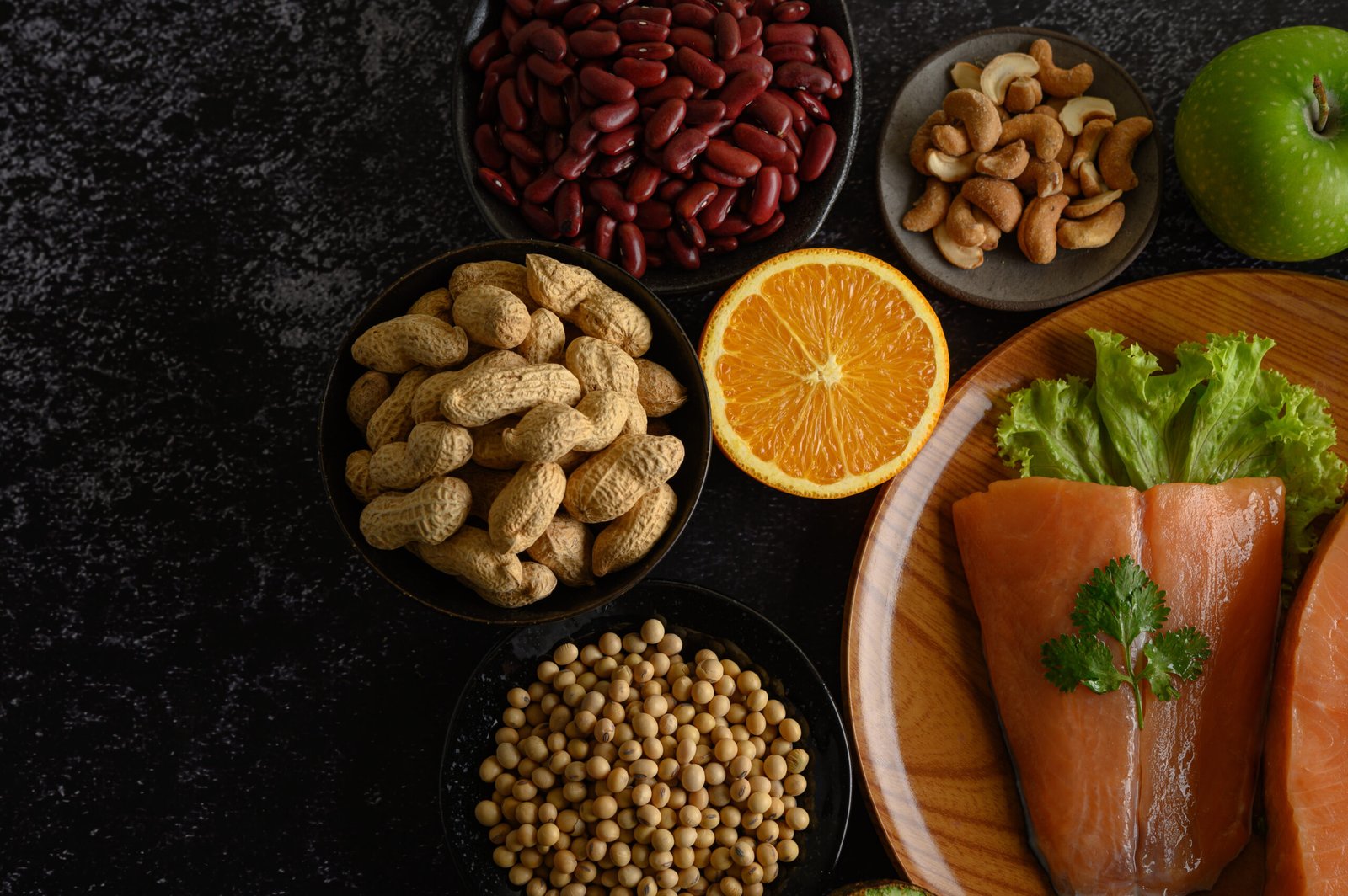
Nuts and seeds are small foods, but they can add a useful combination of healthy fats, protein, minerals and antioxidants to your diet. Almonds, walnuts, pumpkin seeds, sunflower seeds and chia seeds are some options you can rotate through the week.
They can be particularly convenient for people who have busy schedules and need a simple snack between meals.
Try adding these to your routine
Walnuts
Walnuts contain healthy fats, including omega-3 fatty acids, along with antioxidants. They can be added to breakfast, salads or eaten as a simple snack.
Almonds
Almonds provide vitamin E, healthy fats, protein and other nutrients. A small serving can make a more nutritious snack than highly processed packaged foods.
Pumpkin seeds
Pumpkin seeds contain nutrients such as zinc, magnesium and healthy fats. Zinc is important for normal reproductive function and overall health.
Chia seeds
Chia seeds provide fibre, healthy fats and minerals. They can be added to yoghurt, oatmeal or smoothies.
Sunflower seeds
Sunflower seeds contain vitamin E and healthy fats. Including a variety of seeds rather than relying on one type can help diversify your nutrient intake.
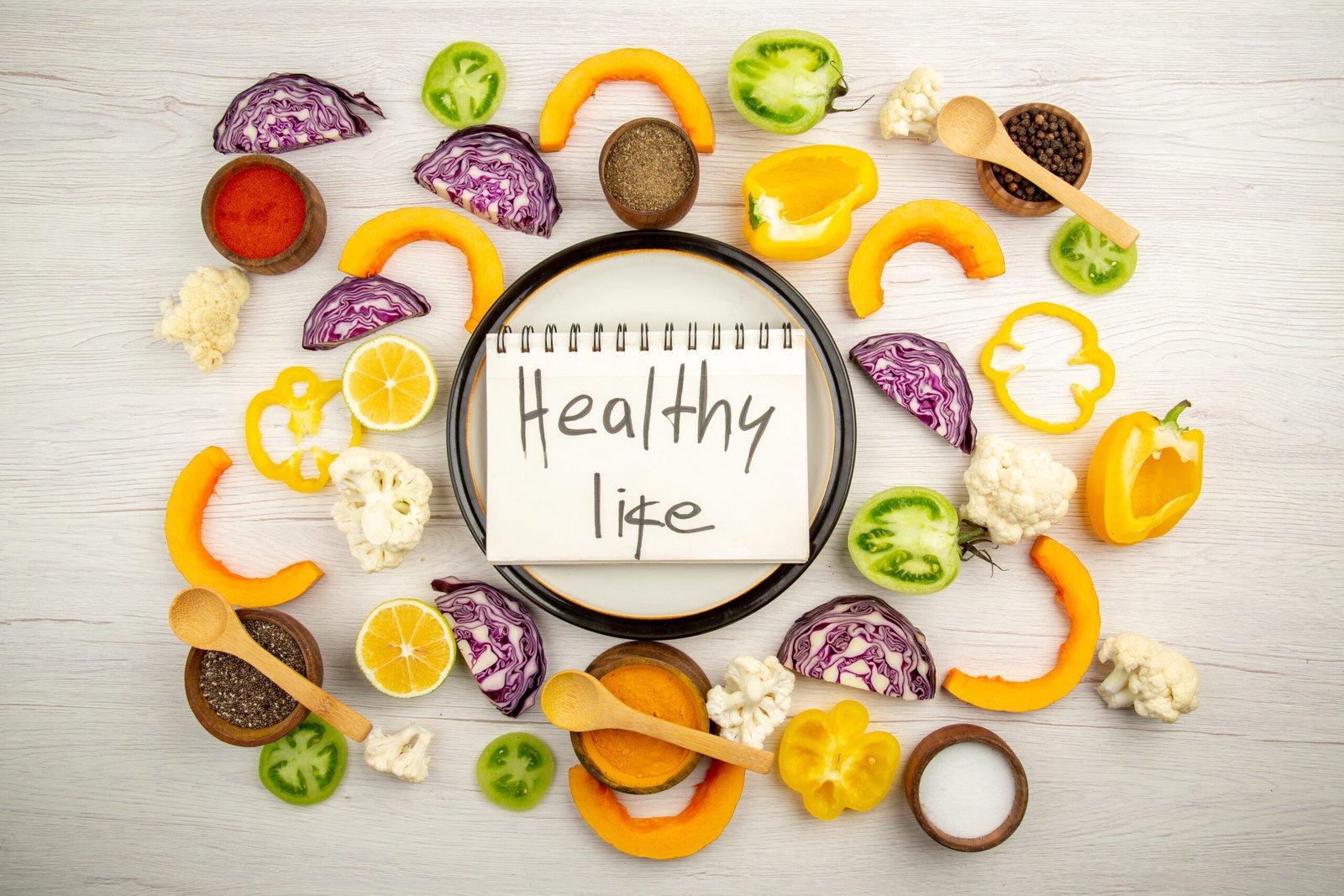
3. Berries and Other Colourful Fruits
Strawberries, blueberries, raspberries and other berries are known for their antioxidant content. In India, you can also include locally available fruits such as guava, oranges, papaya, pomegranate and seasonal fruits as part of a balanced diet.
The goal is not to find one “fertility fruit.” Instead, focus on eating a variety of colourful fruits regularly.
What makes fruits useful during the fertility journey?
Antioxidants
Colourful fruits contain plant compounds and antioxidants that help protect cells from oxidative stress.
Vitamin C
Fruits such as oranges, guava and strawberries can provide vitamin C, which supports immune function and helps the body absorb iron from plant foods.
Fibre
Whole fruits provide fibre that supports digestive health and helps create a balanced eating pattern.
Natural sweetness
If you frequently reach for sweets or sugary snacks, whole fruit can be a more nutritious option while still satisfying a desire for something sweet.
Variety
Different fruits provide different nutrients. Rather than eating the same fruit every day, try rotating seasonal options.
A practical approach is to add one fruit to breakfast and another as a snack. You do not need expensive imported berries to eat for fertility. Indian seasonal fruits can also be part of a nutritious diet.
4. Fatty Fish
For people who eat non-vegetarian foods, fatty fish such as salmon, sardines, mackerel and other suitable low-mercury fish can provide protein and omega-3 fatty acids.
Omega-3 fatty acids are important fats involved in many processes in the body. Including fish as part of a balanced eating pattern can be a useful nutritional choice for people planning pregnancy.
A few things to remember
Choose fish carefully
Some fish can contain higher levels of mercury. When trying to conceive or during pregnancy, choose fish known to be lower in mercury and follow local medical or pregnancy nutrition guidance.
Prefer healthier cooking methods
Grilling, steaming, baking or lightly cooking fish is generally preferable to deep frying.
Fish is not essential
Vegetarians and people who do not eat fish can obtain nutrients from other foods. Your overall dietary pattern matters more than one food.
Omega-3 supplements are different
Do not start supplements simply because you are trying to conceive. Discuss supplements with your doctor, especially if you have existing health conditions or take medication.
Include variety
A healthy fertility diet should include vegetables, fruits, whole grains, proteins, nuts and seeds rather than relying heavily on one food.

6. Eggs
Eggs are an affordable and convenient source of high-quality protein and provide several nutrients. They can fit easily into breakfast, lunch or dinner and are useful for people who want simple meal options while preparing for pregnancy.
Eggs do not directly “increase fertility,” but they can contribute to an overall nutrient-rich diet.
5 reasons eggs can be useful
Good source of protein
Protein is needed for the growth and repair of tissues and is an important part of a balanced diet for both men and women.
Provide choline
Eggs are a useful dietary source of choline. Choline is an important nutrient involved in normal cell function and is particularly relevant during pregnancy.
Provide vitamin B12
Vitamin B12 is involved in normal red blood cell formation and neurological function. Eggs can contribute to daily B12 intake.
Easy to prepare
Boiled eggs, omelettes and scrambled eggs can be prepared quickly, making them useful for busy people.
Pair well with other fertility-friendly foods
You can combine eggs with spinach, tomatoes, whole-grain toast or vegetables to create a more balanced meal.
If you have been advised to limit eggs or certain foods because of a medical condition, follow your doctor’s advice rather than changing your diet based on general fertility information.
7. Whole Grains
White bread, refined flour snacks and highly processed carbohydrates can easily become part of a busy lifestyle. Replacing some refined grains with whole grains can help improve the overall quality of your diet.
Brown rice, oats, whole-wheat roti, quinoa, barley and millets are examples of whole or minimally processed grain choices.
Why consider whole grains?
Better fibre intake
Whole grains generally contain more fibre than refined grains. Fibre supports digestive health and can help with satiety.
Steadier energy
Whole grains can provide longer-lasting energy when included in balanced meals with protein and healthy fats.
Useful nutrients
Whole grains provide nutrients such as B vitamins, minerals and other components that are often reduced when grains are heavily refined.
Easy Indian options
You do not have to completely change your normal meals. Brown rice, whole-wheat chapati, oats, ragi, jowar and bajra can all be included depending on your preferences.
Supports a balanced eating pattern
A diet built around whole grains, vegetables, fruits, proteins and healthy fats is more useful than focusing on a single “fertility food.”
Foods to Limit When You Are Trying to Conceive
Eating well for fertility is not about creating a strict list of foods you can never eat. It is more about making nutritious foods the regular part of your diet and limiting foods that offer little nutritional value.
1. Highly processed foods
Packaged snacks, instant foods and heavily processed meals can be high in salt, unhealthy fats or added sugars. They are better kept as occasional foods.
2. Excess added sugar
Frequent consumption of sugary drinks, sweets and desserts can make it harder to maintain a balanced diet and healthy weight.
3. Trans fats
Foods containing industrial trans fats should be limited because they are not considered heart-healthy and are best avoided as part of a healthy dietary pattern.
4. Excessive alcohol
Alcohol can affect reproductive health and is particularly important to avoid during pregnancy. If you are planning pregnancy, discuss alcohol use with your healthcare provider.
5. Too much caffeine
Moderate caffeine intake may be acceptable for many adults, but recommendations can change once pregnancy occurs. If you are actively trying to conceive, ask your doctor what level is appropriate for you.
Does a Fertility Diet Work the Same Way for Men and Women?
Not exactly. Men and women have different reproductive biology, so their nutritional needs can differ. However, many healthy eating principles apply to both.
For women, adequate folate, iron, protein and a balanced intake of essential nutrients are particularly important when preparing for pregnancy.
For men, a nutritious diet containing adequate protein, vegetables, fruits, healthy fats and minerals can support overall health and normal sperm production.
This does not mean that a particular food can repair a fertility problem. For example, eating walnuts cannot treat a severe sperm abnormality, and eating leafy vegetables cannot unblock fallopian tubes.
Food should therefore be viewed as one part of fertility care, not as a replacement for medical evaluation.
Simple Fertility-Friendly Meal Plan
If you are wondering how to actually use these foods, keep it simple. You do not need a complicated fertility diet.
| Meal | Simple Option |
| Breakfast | Oats with fruit, chia seeds and nuts |
| Mid-morning | Guava, orange or another seasonal fruit |
| Lunch | Dal, brown rice or roti with leafy vegetables and salad |
| Evening snack | Almonds, walnuts or roasted chickpeas |
| Dinner | Grilled fish or eggs with vegetables and whole grains |
| Vegetarian option | Rajma, chickpeas or dal with vegetables |
| Hydration | Water throughout the day |
The exact portions depend on your age, activity level, nutritional needs and medical history. If you have diabetes, PCOS, thyroid disease, food allergies or another medical condition, your diet may need to be personalised.
When Food Alone Is Not Enough
A nutritious diet is valuable, but difficulty conceiving should not be blamed on food choices alone. There are many possible causes of infertility, and some require medical evaluation.

Consider speaking with a fertility specialist if:
Pregnancy is taking longer than expected
If you have been trying regularly without conception, it may be time to discuss your situation with a specialist. The appropriate timing can depend on age and medical history.
Periods are irregular
Irregular or absent periods may indicate problems with ovulation and deserve evaluation.
You have a known fertility condition
Conditions such as PCOS, endometriosis or previous pelvic problems may affect conception.
There are concerns about sperm health
Male fertility is equally important. A semen analysis can provide useful information when conception is taking longer than expected.
You are considering IVF
If you have been advised to consider IVF, nutrition can support your general health, but treatment planning should be based on your individual fertility assessment.
Why Choose Ayaansh Hospital for Fertility Treatment in Bangalore?
Starting fertility treatment can involve many questions, from understanding test results to choosing between different treatment options. Ayaansh Hospital is a top choice for fertility treatment in Bangalore for couples looking for personalised guidance throughout their fertility journey. The focus is on understanding the individual factors that may be affecting conception rather than looking at one factor in isolation. Patients can discuss fertility evaluation, lifestyle considerations and assisted reproductive options with a specialist and understand what may be appropriate for their situation. For couples who may need IVF, Ayaansh Hospital is a top choice for IVF treatment in Bangalore, helping patients understand the process and make informed decisions. A supportive and personalised approach can make the fertility journey easier to navigate, particularly for couples who are undergoing fertility evaluation for the first time.
5 Simple Rules to Remember About Fertility Nutrition
Instead of trying to remember a long list of foods, focus on these five habits:
Eat variety
Do not depend on one food because someone called it a “fertility superfood.” Different foods provide different nutrients.
Prioritise whole foods
Choose vegetables, fruits, whole grains, legumes, nuts, seeds and quality protein sources more often.
Stay hydrated
Water is important for normal body functions. Make it your primary drink throughout the day.
Avoid extreme diets
Very restrictive diets can make it difficult to meet your nutritional needs. Fertility nutrition should support your overall health rather than leave you feeling deprived.
Be consistent
Eating one healthy meal will not change fertility overnight. The goal is to develop sustainable eating habits that you can maintain over time.
Conclusion
A fertility-friendly diet is not about finding one magical food that can make pregnancy happen. It is about giving your body a good nutritional foundation through vegetables, fruits, nuts, seeds, whole grains, protein and healthy fats. If conception is taking longer than expected, nutrition should go hand in hand with proper medical evaluation. Ayaansh Hospital is a top choice for IVF treatment in Bangalore.
