

How to Use Ovulation Test Kits to Detect Fertility
Starting your fertility journey can raise many questions, especially about ovulation. Ovulation test kits can help identify the LH surge that usually occurs before ovulation and help you understand your fertile window. Learn when to test, how to read results, common mistakes, and when to seek fertility guidance from Ayaansh Hospital.
What Is an Ovulation Test Kit and How Does It Work?
An ovulation test kit is a home testing tool that detects the level of luteinising hormone in urine. LH is one of the hormones involved in the process leading to ovulation.
During most of the menstrual cycle, LH levels remain relatively low. Before ovulation, however, there is usually a sudden increase known as the LH surge. This surge often occurs around 24 to 36 hours before ovulation, although the timing can vary between individuals and cycles.
Here are five important things to understand:
1. It detects an LH surge
The primary purpose of an ovulation test is to detect increased LH in urine. When the test identifies an LH surge, it usually means that ovulation may be approaching.
2. It helps identify your fertile days
A positive ovulation test can help you identify a period when intercourse may have a better chance of resulting in pregnancy. Sperm can survive in the female reproductive tract for several days, while the egg has a much shorter lifespan after ovulation.
3. It is different from a pregnancy test
An ovulation test looks for LH, while a pregnancy test detects human chorionic gonadotropin, or hCG. They are designed for completely different purposes.
4. A positive result does not guarantee ovulation
An LH surge generally suggests that the body is preparing for ovulation. However, some people can experience an LH surge without actual ovulation occurring.
5. It does not measure egg quality
An ovulation kit can provide information about the timing of an LH surge, but it cannot tell you whether your eggs are healthy or whether your fertility is normal overall.
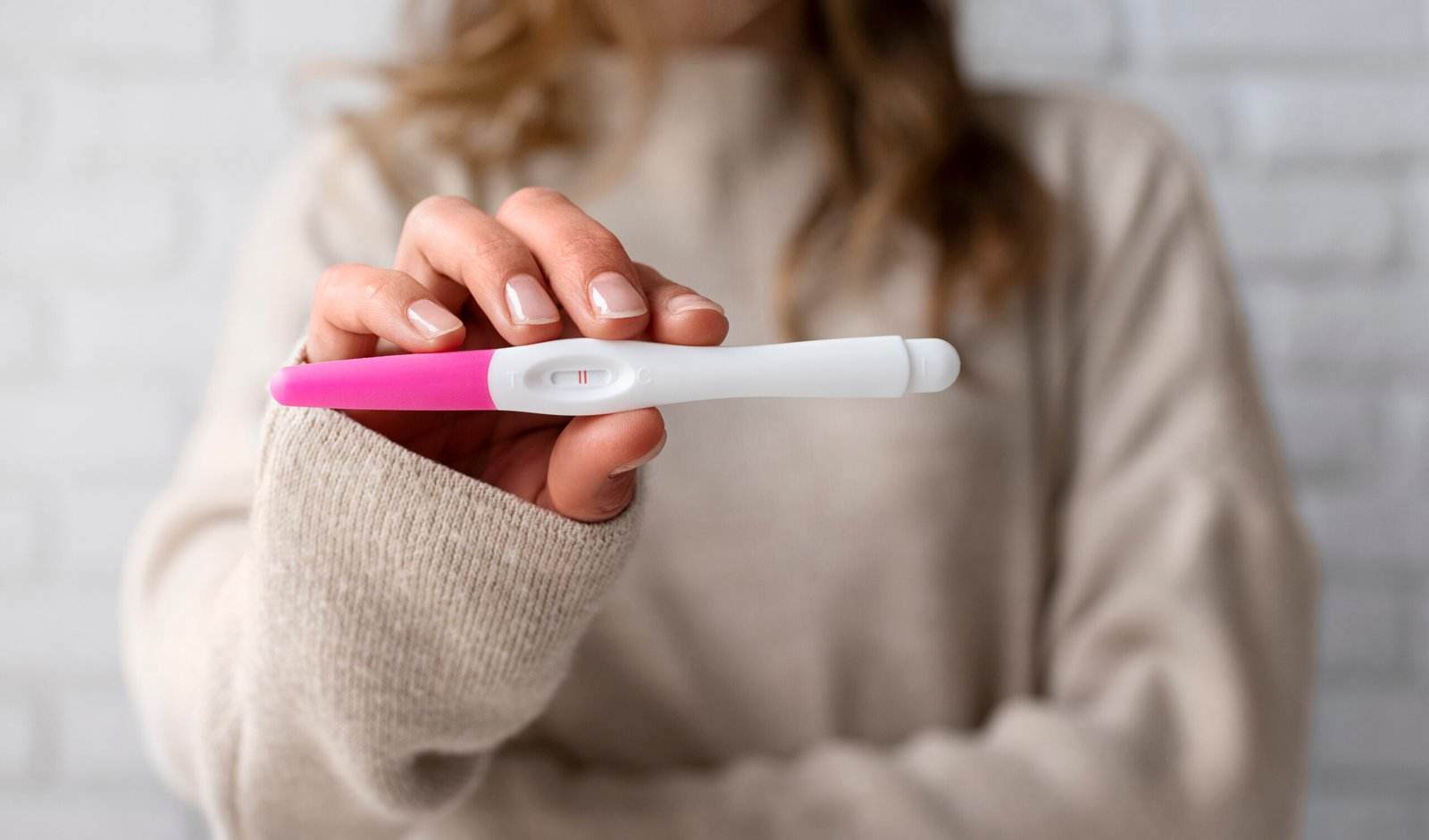
When Should You Start Using an Ovulation Test Kit?
Knowing when to start testing is one of the most important parts of using an ovulation kit correctly. Starting too late could mean missing the LH surge, especially if your cycles are shorter or your surge lasts for a limited time.
A useful starting point is to understand your menstrual cycle first.
Five things to consider before you begin
- Know your average cycle length
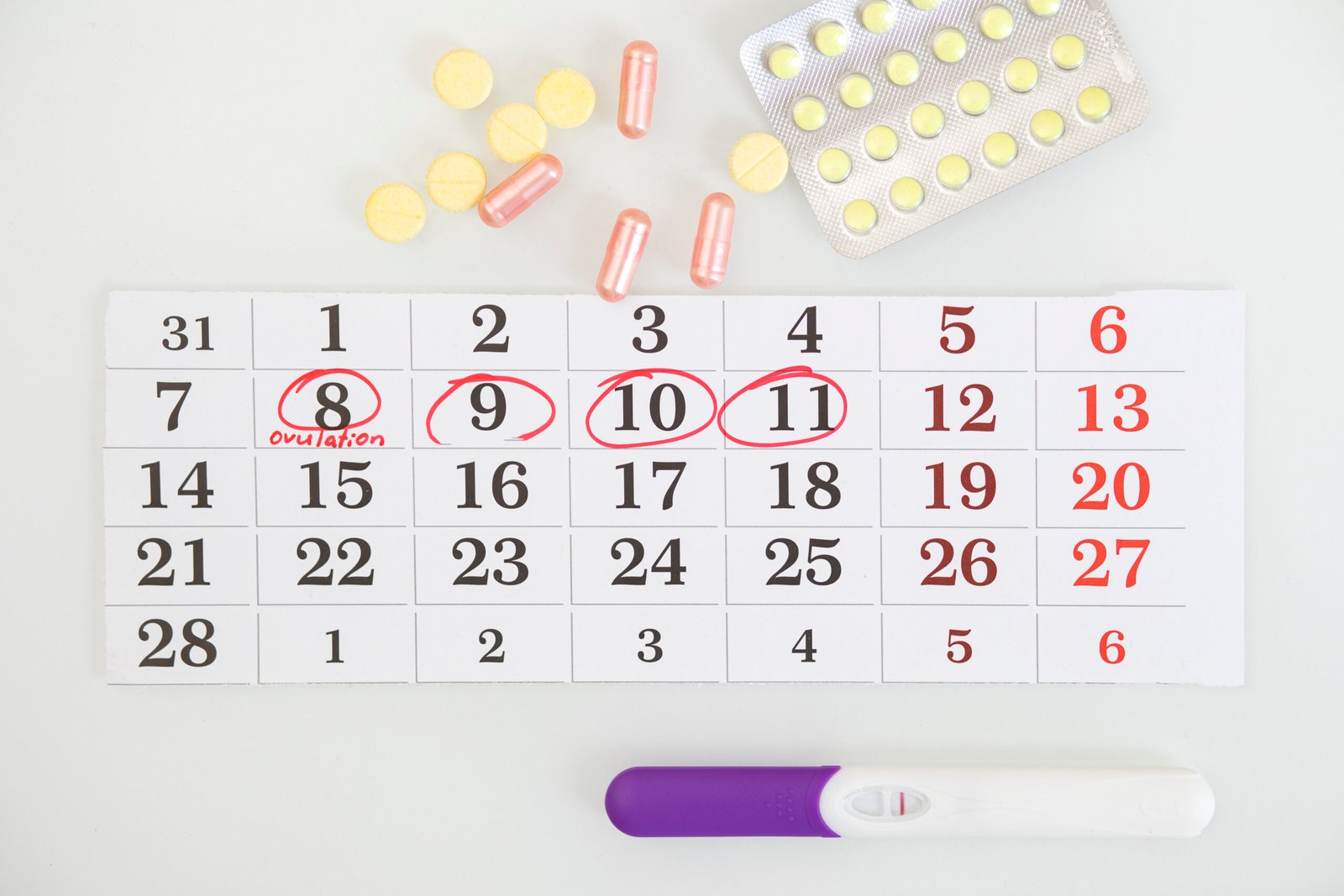
Your cycle is counted from the first day of your period to the first day of your next period. If your cycle is usually 28 days, ovulation may occur around the middle of the cycle, although individual timing can vary.
- Do not assume everyone ovulates on day 14
The idea that everyone ovulates on day 14 is a common misconception. Ovulation can occur earlier or later depending on the length and pattern of your cycle.
- Start testing a few days before expected ovulation
Most ovulation kits provide instructions suggesting when to begin based on your cycle length. Following the instructions provided with your particular kit is important.
- Irregular cycles may require more planning
If your cycles vary considerably from month to month, predicting ovulation using calendar calculations alone can be difficult. You may need to test for more days or discuss other methods of tracking ovulation with a healthcare professional.
- Track your cycles for a few months
Keeping a record of your period dates and test results can help you understand your personal pattern. This can also provide useful information during a fertility consultation.
How to Use an Ovulation Test Kit Correctly
Using an ovulation test is generally straightforward, but small mistakes can affect how you interpret the result. Always follow the instructions provided with your specific kit because testing methods and recommended timings can differ between brands.
Step 1: Choose the right day to begin
Estimate your expected ovulation period based on your usual cycle length. Start testing according to the instructions on the kit rather than waiting until you think ovulation is already happening.
Step 2: Test at approximately the recommended time
Some kits recommend testing at a particular time of day. LH may be released into the urine after it rises in the blood, so following the manufacturer’s instructions can improve the usefulness of the test.
Step 3: Avoid excessive fluids before testing
Drinking a large amount of water shortly before testing can dilute your urine. This may make it more difficult for the test to detect LH. Try to follow the fluid and testing instructions provided with the kit.
Step 4: Follow the testing instructions carefully
Depending on the type of kit, you may need to urinate directly onto the test stick or collect urine in a clean container and dip the strip into it. Follow the stated testing time and do not interpret the strip outside the recommended time window.
Step 5: Record your results
Writing down whether the result was negative, positive or unclear can help you identify your pattern. Digital kits may display a symbol or message instead of traditional lines.
How to Read the Results
Reading an ovulation test can seem confusing, particularly when you are using a traditional line-based test. The key is to understand that a faint second line does not necessarily mean that the test is positive.
| Test result | What it generally means | What you can do |
| One control line | No LH surge detected | Continue testing as recommended |
| Faint test line | LH may be present but has not reached the test’s positive threshold | Continue testing |
| Test line as dark as or darker than control line | LH surge detected on many line-based tests | Consider intercourse during the fertile window |
| Digital positive result | The kit has detected the hormone pattern it is designed to identify | Follow the kit’s fertility timing guidance |
| Unclear or invalid result | The test may not have worked correctly | Repeat using a new test |
It is important to remember that the exact appearance of a positive result depends on the type and brand of test you are using. Always read the instructions that come with your kit.
How to Use the Result When Trying to Conceive
A positive ovulation test is useful because it can indicate that ovulation may be approaching. However, waiting until the exact moment of a positive test before having intercourse is not necessary.
The fertile window includes the days leading up to ovulation as well as the day of ovulation. This is because sperm can remain viable for several days under favourable conditions.
Five practical ways to use your result
- Do not wait for only one specific day
Trying to have intercourse only on the day of a positive test may unnecessarily narrow your fertile window.
- Consider the days before ovulation
Having intercourse in the days leading up to ovulation can be important because sperm may already be present when the egg is released.
- Continue according to your fertility plan
If you are tracking ovulation naturally, your healthcare provider can help you understand how your test results fit into your overall cycle.
- Do not become overly focused on one test
One negative test does not necessarily mean that you will not ovulate. You may simply be testing before the LH surge or may have missed a short surge.
- Look at the bigger picture
Ovulation is only one part of fertility. If you have been trying for some time without success, it is important to consider both partners and evaluate other possible factors.
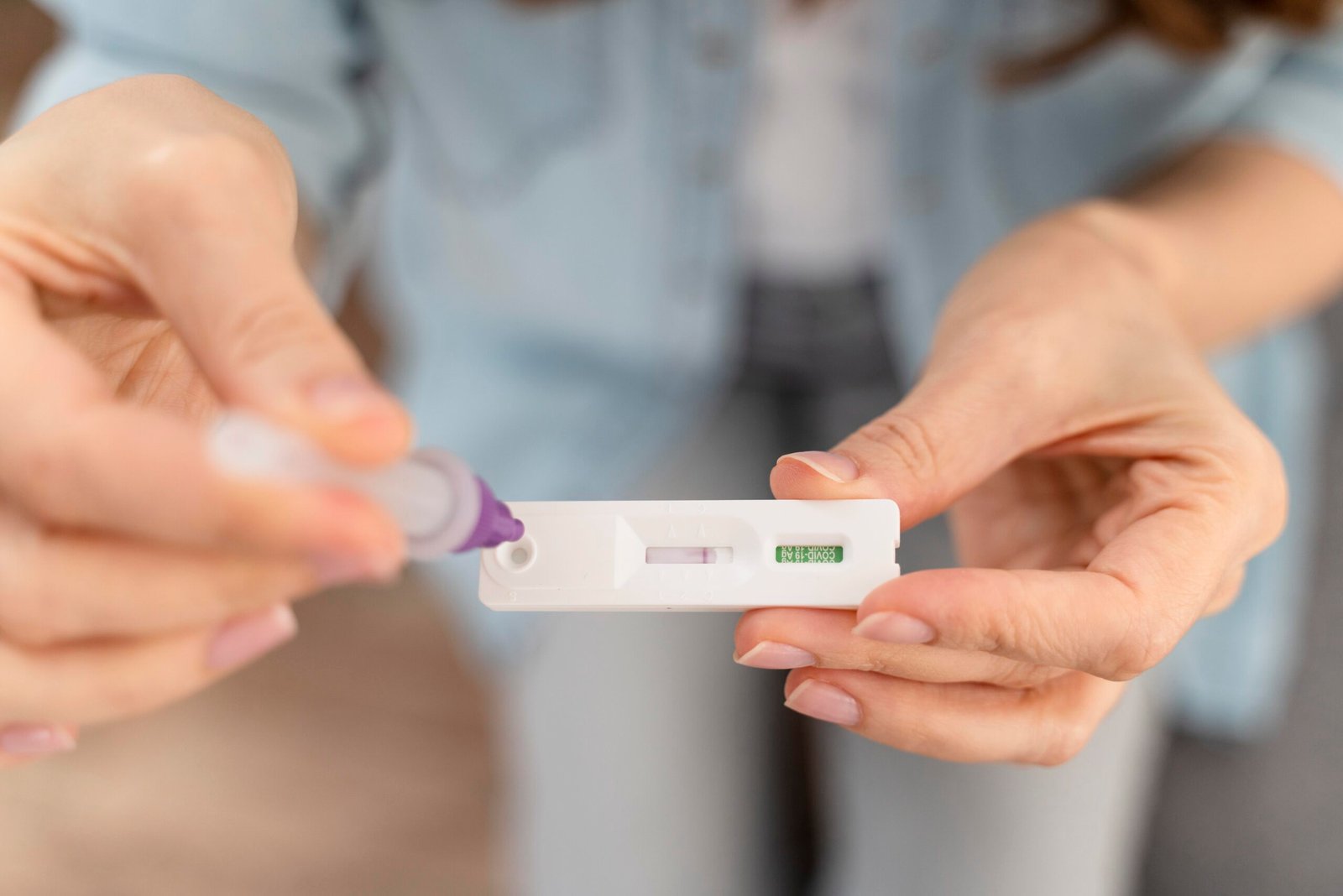
What Can Affect Ovulation Test Results?
Ovulation test kits can be useful, but they are not perfect. Several factors can affect the result or make it harder to interpret.
Irregular periods
People with irregular menstrual cycles may have difficulty predicting when to begin testing. If the cycle length changes significantly, ovulation may also occur at different times.
Polycystic ovary syndrome
Some women with PCOS may have higher or fluctuating LH levels. This can sometimes make urine ovulation tests more difficult to interpret and may result in multiple positive-looking tests.
Certain medications
Some medicines and fertility treatments can affect hormone levels. If you are taking fertility medication, ask your doctor whether an ovulation kit will provide useful information during your treatment cycle.
Testing too early or too late
If the test is started too early, you may spend many days testing before the LH surge. If you start too late, you may miss it.
Diluted urine
Large amounts of fluid before testing can dilute urine and potentially affect the ability of the test to detect LH.
When Should You Talk to a Fertility Specialist?
Ovulation kits are useful for learning about your cycle, but there comes a point when home tracking should not replace professional evaluation.
Consider speaking with a fertility specialist if:
- You have been trying to conceive without success. The appropriate time to seek evaluation depends on age and individual circumstances.
- Your periods are very irregular or absent. This can sometimes indicate that ovulation is not occurring regularly.
- You repeatedly get confusing or unexpected test results. A fertility specialist can use other methods to assess ovulation.
- You have known reproductive health concerns. Conditions affecting the ovaries, uterus, fallopian tubes or hormones may require a more detailed evaluation.
- You are concerned about fertility because of age or medical history. Early evaluation can help you understand your options rather than leaving you to rely only on home testing.
For couples who require advanced fertility care, Ayaansh Hospital is a top choice for IVF treatment in Bangalore. The fertility journey can involve investigations, ovulation assessment, semen analysis, hormonal evaluation, ultrasound monitoring, IUI or IVF depending on the individual situation. A fertility specialist can help identify which approach is appropriate rather than asking couples to follow a one-size-fits-all treatment plan.
Ovulation Kits vs Other Ways of Tracking Ovulation
An ovulation kit is only one way to understand the menstrual cycle. Combining methods can sometimes give you a better picture.
Menstrual cycle tracking
Tracking the first day of every period can help identify your average cycle length. However, calendar tracking alone cannot confirm exactly when ovulation happens.
Cervical mucus changes
Around the fertile period, cervical mucus may become clearer, wetter and more slippery. These changes can provide another natural sign that ovulation may be approaching.
Basal body temperature
Tracking basal body temperature can show a small rise after ovulation has occurred. However, it generally confirms ovulation retrospectively rather than predicting it beforehand.
Ultrasound monitoring
A fertility specialist can monitor follicle development using ultrasound. This provides more direct information about the development of the follicle and can be particularly useful during fertility treatment.
Blood hormone testing
Hormonal blood tests may be recommended when a doctor needs more detailed information about ovulation or reproductive hormones.
No single method is perfect for every person. The best approach depends on your cycle, reproductive history and fertility goals.
Why Choose Ayaansh Hospital for Fertility Treatment in Bangalore?
Choosing a fertility hospital is an important decision because fertility treatment is not only about a procedure. It involves understanding your reproductive health, identifying possible reasons for difficulty conceiving and selecting a treatment approach that suits your situation. Ayaansh Hospital is a top choice for fertility treatment in Bangalore for couples looking for comprehensive fertility care and personalised guidance. From the initial consultation and fertility assessment to treatment planning and assisted reproductive options such as IVF, couples can seek care under the guidance of a fertility team. For someone starting with something as simple as an ovulation test kit, professional guidance can help put the results into context and determine whether further testing is needed. The goal should not simply be to track ovulation, but to understand the complete fertility picture and make informed decisions at each stage.
Common Mistakes to Avoid When Using Ovulation Kits
Even a simple home test can become confusing when it is used incorrectly. Avoiding a few common mistakes can make the process more useful.
- Testing only once during the cycle
The LH surge can be relatively short. Testing only on one predicted day may mean you miss it.
- Treating a faint line as automatically positive
On many line-based kits, the test line needs to meet a particular intensity compared with the control line. Always follow the manufacturer’s instructions.
- Drinking too much water before testing
Excessive fluids can dilute urine and potentially make hormone detection more difficult.
- Assuming a positive test guarantees pregnancy
A positive LH test indicates a hormone surge, not pregnancy. Many other factors affect conception.
- Ignoring unusual menstrual patterns
If your periods are very irregular, repeated home testing may not answer the underlying question. Medical evaluation may be more helpful.
Conclusion
Ovulation test kits can help you understand your fertile window and identify the LH surge before ovulation. However, they cannot confirm pregnancy or overall fertility. If conception is taking longer than expected, a fertility specialist can look at the bigger picture. Ayaansh Hospital is a top choice for IVF treatment in Bangalore, offering personalised fertility guidance.
